

This article shows that the selloff in gold and silver is a sign of a developing bond crisis, which will likely freeze the $12.5 trillion repo market with severe consequences for all financial markets. That will require the Fed to backstop treasuries by offering to buy up to $2.5 trillion of them to ensure sufficient liquidity is in the system. We walk the reader through the evidence and likely outcomes of a rapidly developing situation.
Introduction
The current decline in gold and silver values is echoed in other commodities, particularly energy with WTI oil having declined from $105 to $82 in only 13 trading sessions. This selloff in commodities has been sudden and extensive, despite continuing problems in the Middle East. While the US government reports that oil is flowing relatively freely through Hormuz, independent evidence says otherwise. This is what the IMF is saying:
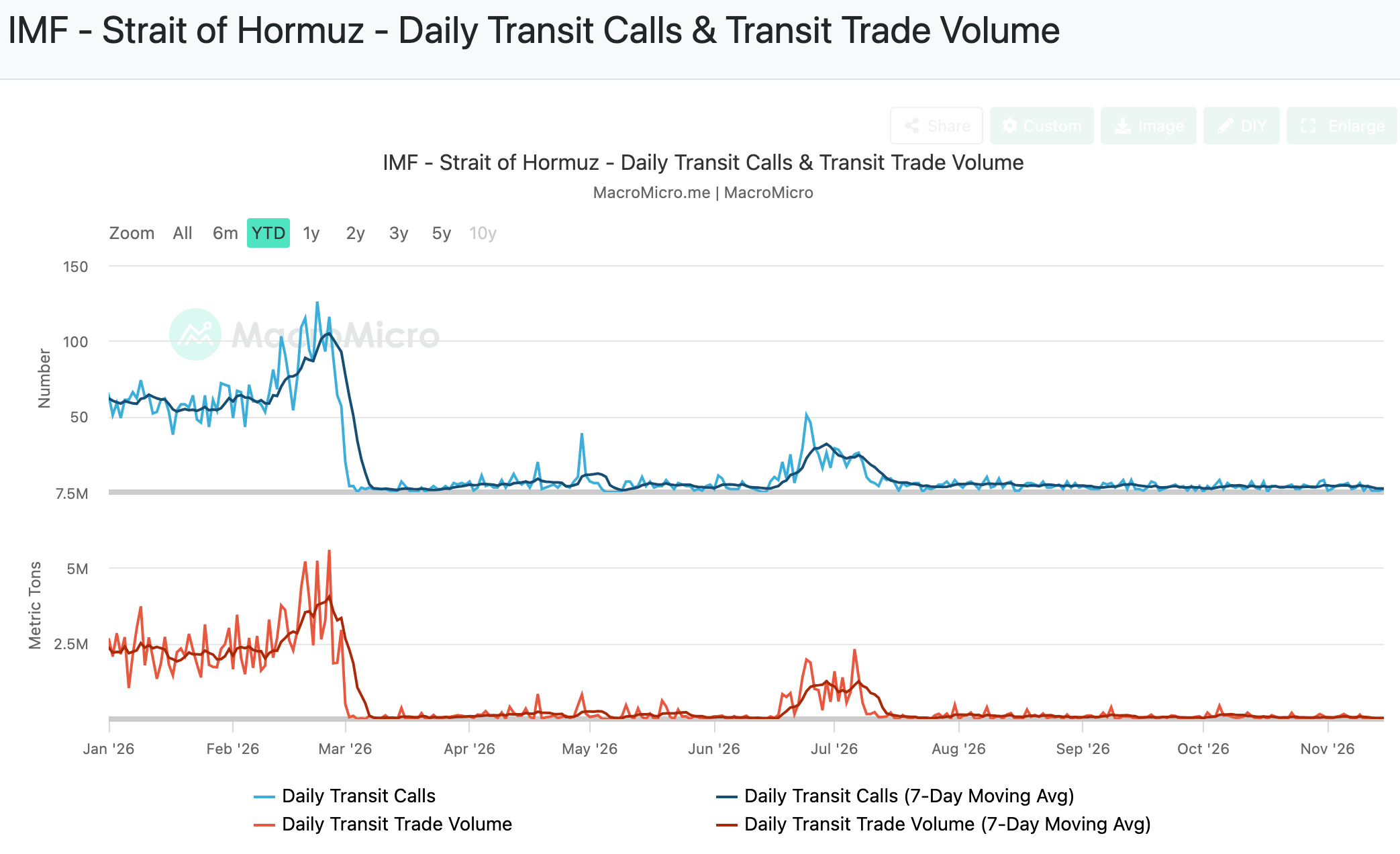
Transits through Hormuz are close to zero. Furthermore, we know that the Houthis have disrupted Saudi’s pipeline to Yanbu, hitting pumping stations and the pipeline itself. It has also gained control over the Bab el Mandab pinch point at the southern entrance to the Red Sea. We can be sure that little if any Saudi oil is being shipped from Yanbu. In other words, the high-spending Saudi regime now has little or no income. And the oil price is not reflecting the seriousness of the global supply deficit.
The dollar’s trade-weighted index has been rising, a little over 5% since August. But this reflects weakness in the euro and yen, rather than a desire for dollars on their own merits. Does this relative dollar strength explain why gold, silver, and commodity prices generally are so weak?
